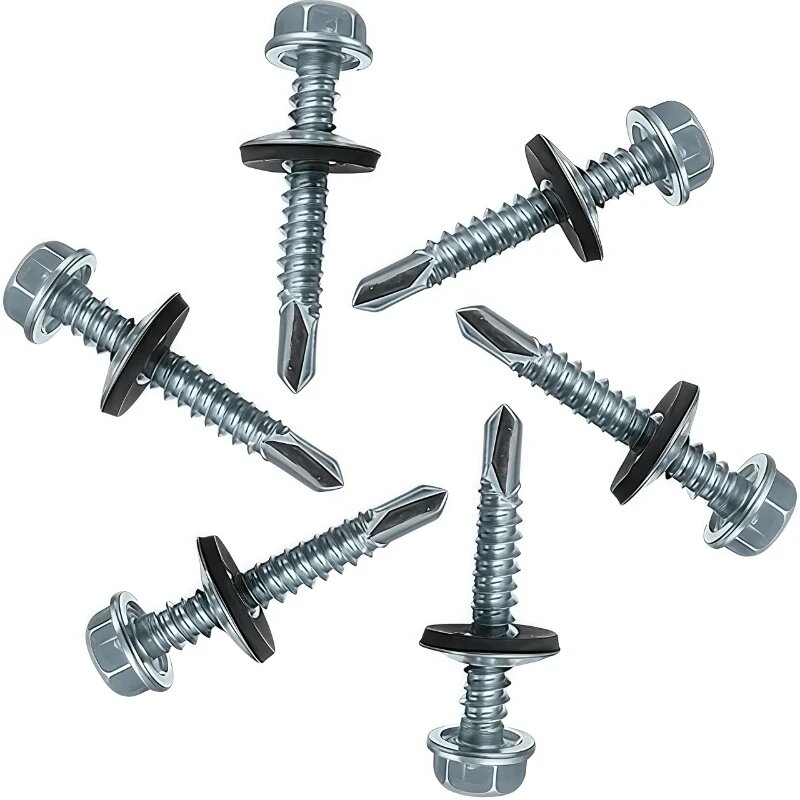
In European and North American construction, large-size wood screws (typically defined as structural wood screws with a diameter ≥6mm and length ≥100mm) are one of the core fasteners in modern timber construction (including timber frame, CLT, glulam, etc.), with key application scenarios as follows:
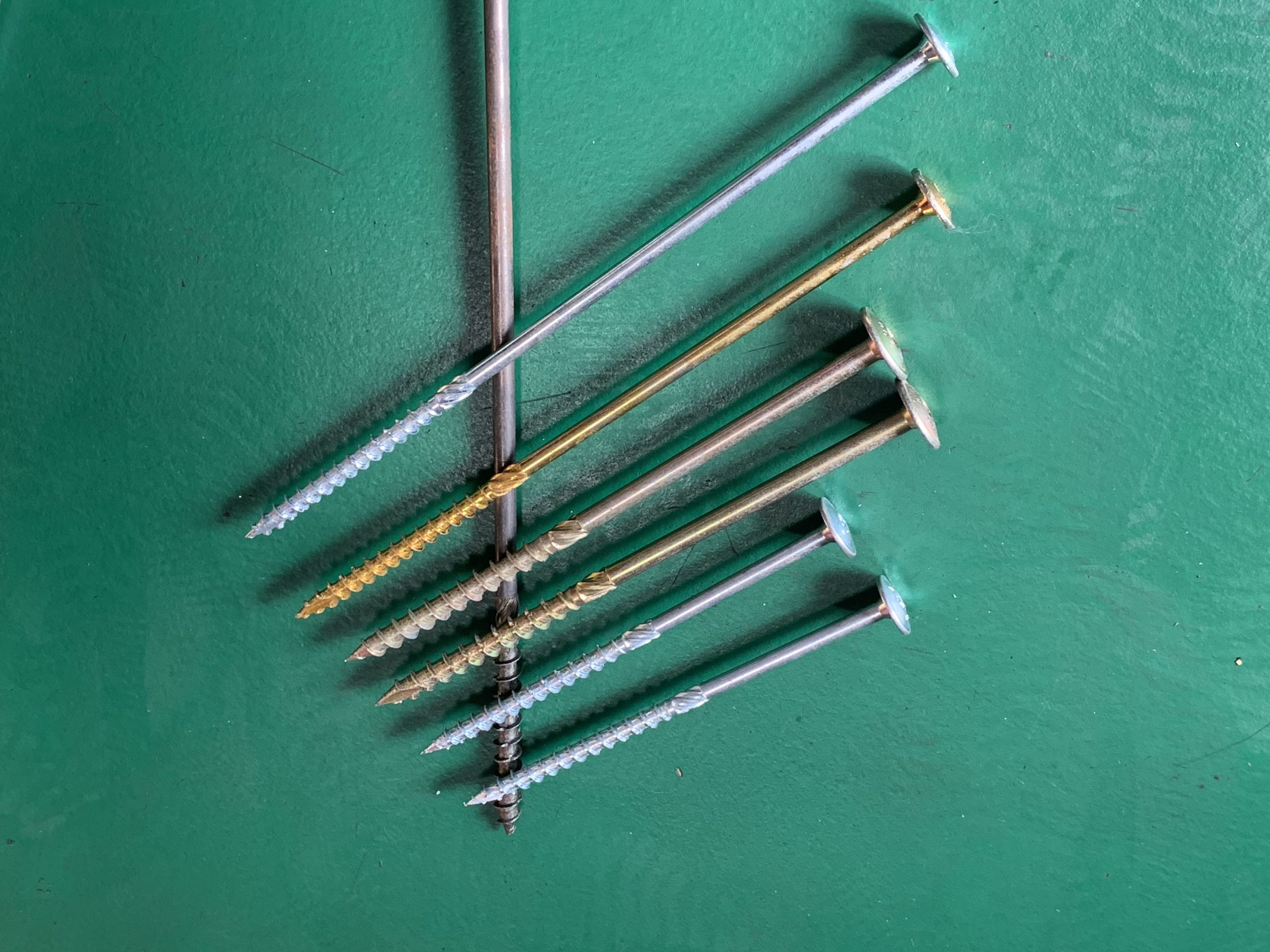
Large-sized Wood Screws
1. Heavy timber structure connections
- Beam-column/truss joints: They replace traditional bolts and angle steel, and are used for splicing glued laminated timber (glulam) and solid wood beams (e.g., primary/secondary beam connections, beam end reinforcement). A typical product is Eurotec’s Konstrux 13mm screw (with lengths up to 1400mm).
- CLT/LVL component splicing: Applied to fix layers of cross-laminated timber (CLT) and splice walls/floors, complying with structural certification requirements of EN 1995 (European standard) or ICC-ES (U.S. standard).
2. Wind and seismic reinforcement
- High-wind-speed areas (e.g., U.S. hurricane zones): Wide-head screws (such as Rothoblaas TBS) can replace lateral anchoring systems, used for uplift-resistant connections between joists and main beams to enhance the structure’s wind resistance.
- Seismic scenarios: Screws that pass cyclic tests (e.g., ETA-certified products) are used for flexible connections of timber structure joints to absorb seismic loads.
3. Outdoor/anti-corrosion environments
- Decks/patios: Screws with ceramic/galvanized coatings (such as Big Timber’s BTX series) are used for fixing outdoor wooden platforms and fences, resisting corrosion from ACQ-treated lumber.
- Industrial/public buildings: For wooden roof/wall frames in warehouses, stadiums, etc., they need to meet high load and long-term durability requirements.
4. Prefabricated/modular construction
Thanks to efficient installation (no pre-drilling required) and controllable strength, they are widely used for factory splicing of prefabricated timber components, reducing on-site construction time (e.g., SIP panel connections in the U.S.).